How Retail Displays Influence Purchase Decisions
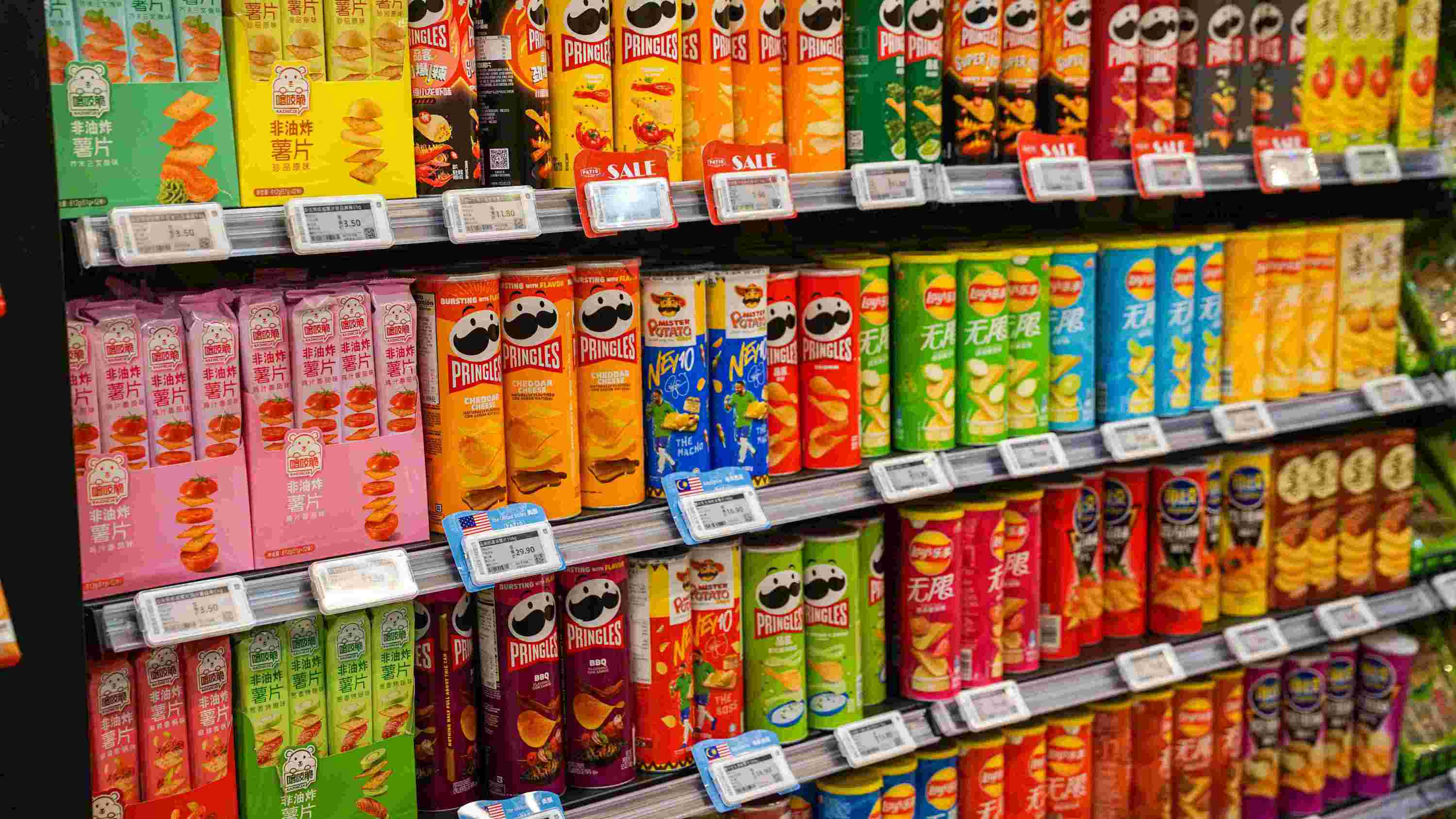
Imagine walking into a retail store with dozens of products competing for your attention. Bright promotional signs, colorful packaging, and neatly arranged displays surround every aisle. Before you even realize it, your eyes are drawn toward certain products while others barely register.
That's the power of a retail display.
Most shoppers believe they make buying decisions based on price or product quality alone. While those factors certainly matter, they often come into play only after a product has captured attention. If shoppers never notice a product, they never get the opportunity to evaluate its value.
In today's competitive retail environment, brands have only a few seconds to make an impression. A well-designed retail display helps products stand out, builds trust, and encourages customers to stop, browse, and buy.
In this article, we'll explore How Retail Displays Influence Purchase Decisions, why visual presentation matters, and how thoughtful merchandising strategies can turn everyday shoppers into loyal customers.
Why Retail Displays Matter Most
Retail displays do much more than hold products. They act as silent salespeople, communicating value before a customer ever reads the label.
Think about the last time you walked through a supermarket or department store. Chances are you didn't examine every product on every shelf. Instead, your attention naturally shifted toward items that looked interesting, were displayed neatly, or appeared in prominent locations.
That's exactly how most shoppers behave.
People process visual information incredibly quickly. When a display looks organized and inviting, customers automatically assume the products are worth exploring. On the other hand, cluttered shelves or poorly maintained displays often cause shoppers to keep walking without giving the products a second thought.
A strong retail display creates confidence from the very beginning. It tells customers that the brand pays attention to detail and takes pride in how its products are presented.
Some of the biggest benefits of effective retail displays include:
Increased product visibility
Better customer engagement
Higher impulse purchases
Stronger brand recognition
Improved shopping experiences
Whether you're introducing a new product or promoting a best seller, presentation plays a major role in how customers respond.

First Impressions Shape Customer Interest
There's an old saying that you never get a second chance to make a first impression. In retail, that couldn't be more accurate.
Most customers decide within just a few seconds whether a product deserves their attention. They aren't reading ingredient lists or comparing technical specifications right away. They're reacting to what they see.
An attractive display creates curiosity.
It encourages shoppers to slow down, take a closer look, and interact with the product. Once customers stop, they're much more likely to read packaging, compare options, and consider making a purchase.
Several factors help create a strong first impression:
Clean and organized shelves
Balanced product spacing
Attractive signage
Proper lighting
Easy-to-read pricing
Accessible product placement
Even premium products can struggle if they're hidden behind clutter or displayed carelessly.
On the other hand, a thoughtfully designed display immediately communicates professionalism and quality, making customers feel more confident about the products they're considering.
Displays Build Lasting Brand Recognition
Retail displays don't just influence today's sale—they help build tomorrow's customer.
Every interaction shoppers have with a brand shapes how they remember it. Consistent colors, logos, messaging, and display designs make products easier to recognize during future shopping trips.
Think about some of the world's most recognizable brands. Their displays often follow the same visual style no matter which store you visit. That consistency creates familiarity, and familiarity builds trust.
Over time, customers begin associating that look with reliability and quality.
Strong retail displays also help smaller brands compete against established names. Even if shoppers have never heard of a company before, a professional presentation creates a positive first impression and encourages them to learn more.
When displays consistently reflect the brand's personality, they create a shopping experience that's easier to remember.
The result is more than just a single purchase. It lays the foundation for repeat business and long-term customer loyalty.
How Displays Capture Customer Attention
Retail stores are filled with distractions.
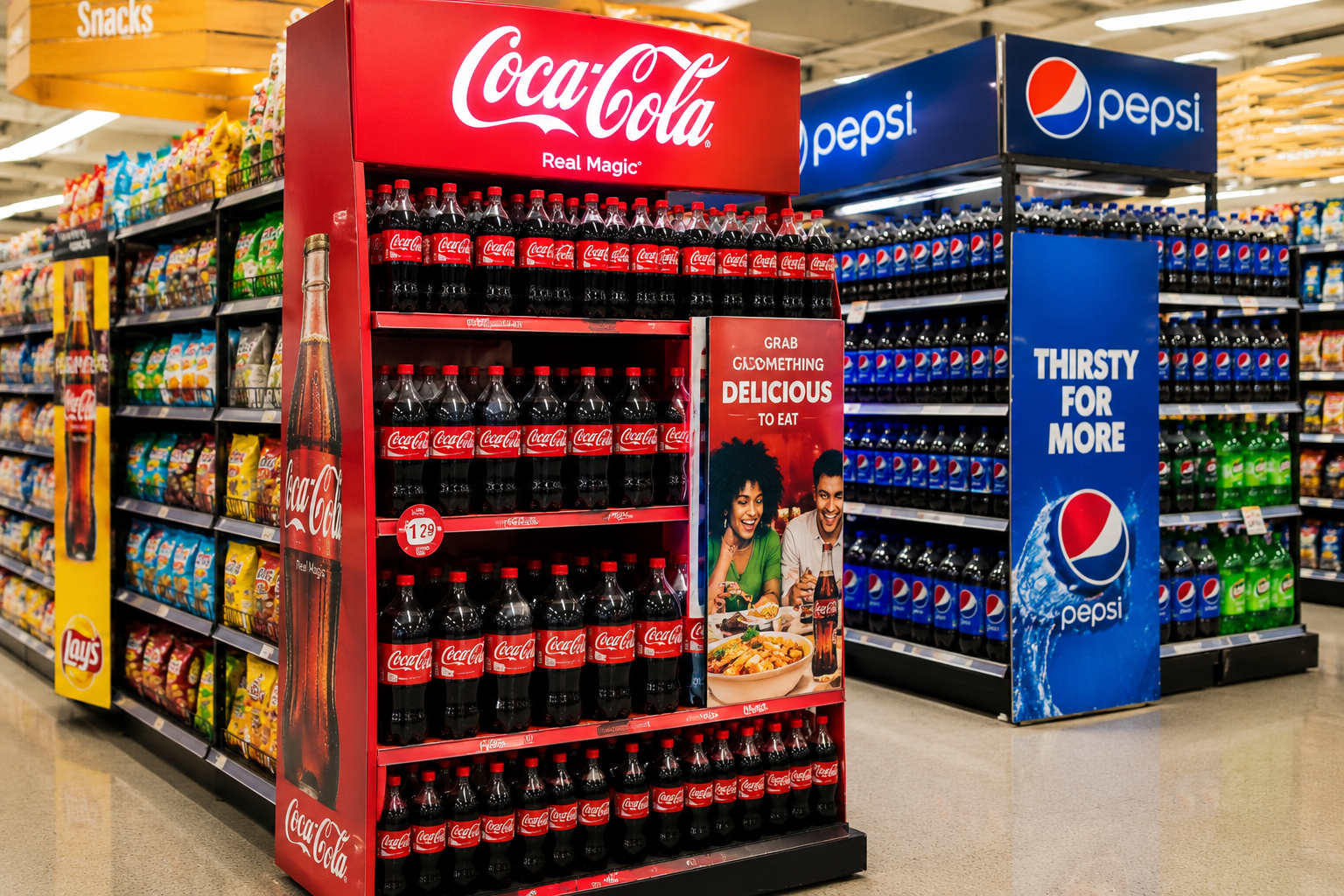
Every aisle contains dozens of products competing for attention, each trying to convince shoppers they're the best choice. Without an effective display, even outstanding products can disappear into the background.
Successful displays aren't simply colorful or oversized. They're designed with purpose.
They guide the customer's eyes naturally, highlight important products, and create enough visual interest to encourage shoppers to stop instead of walking past.
The most effective displays often combine several elements, including:
Strategic lighting
Bold but balanced colors
Seasonal themes
Lifestyle imagery
Clear promotional messaging
Interactive product experiences
When these elements work together, they create an engaging shopping experience that feels natural rather than overwhelming.
Instead of competing for attention through clutter, great displays capture attention through thoughtful design.
Design Elements Influence Shopper Behavior
Every design choice within a retail display has a purpose.
From the wording on a sign to the placement of a product, each element influences how customers interact with the display. Small details often have a bigger impact than retailers expect.
Successful displays guide shoppers naturally rather than forcing them to search for information.
When customers immediately understand what a product is, why it's valuable, and where to find it, they're much more likely to make a purchase.
How Retail Displays Influence Purchase Decisions: The Difference Between Being Seen and Being Sold
Many businesses invest heavily in developing high-quality products. They improve ingredients, refine packaging, and build strong marketing campaigns, expecting those efforts alone to drive sales.
But once a product reaches the retail shelf, a different challenge begins.
If customers don't notice it, they can't buy it.
That's why retail displays matter so much.
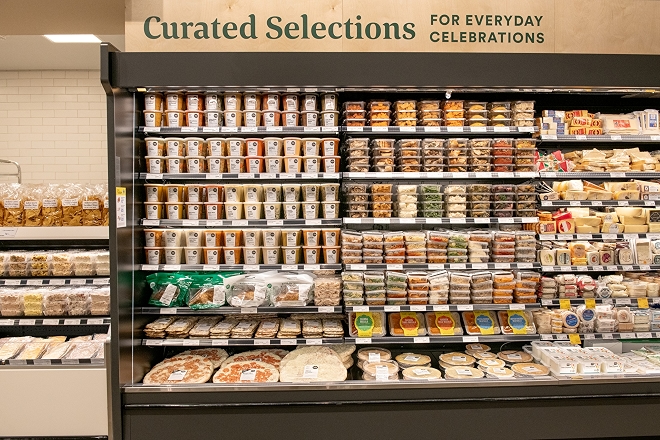
An effective display gives products the visibility they need to compete in a crowded environment. It captures attention, encourages shoppers to stop, and creates opportunities for customers to discover products they may have otherwise overlooked.
The best retail displays don't rely on flashy designs or oversized signage. Instead, they combine smart placement, organized presentation, clear messaging, and consistent branding to make products feel approachable and easy to shop.
Businesses often assume slow sales mean customers aren't interested. In reality, the problem may simply be that shoppers never noticed the product in the first place.
Improving retail performance doesn't always require changing the product itself.
Sometimes, the biggest opportunity lies in changing how the product is presented.
When retailers invest in thoughtful displays, they aren't just making shelves look better—they're creating an environment where customers can find products faster, compare them more easily, and feel confident in their purchasing decisions.
More often than not, the difference between a product that gets overlooked and one that consistently sells comes down to visibility. And visibility starts with a retail display designed to capture attention from the moment shoppers walk down the aisle.